
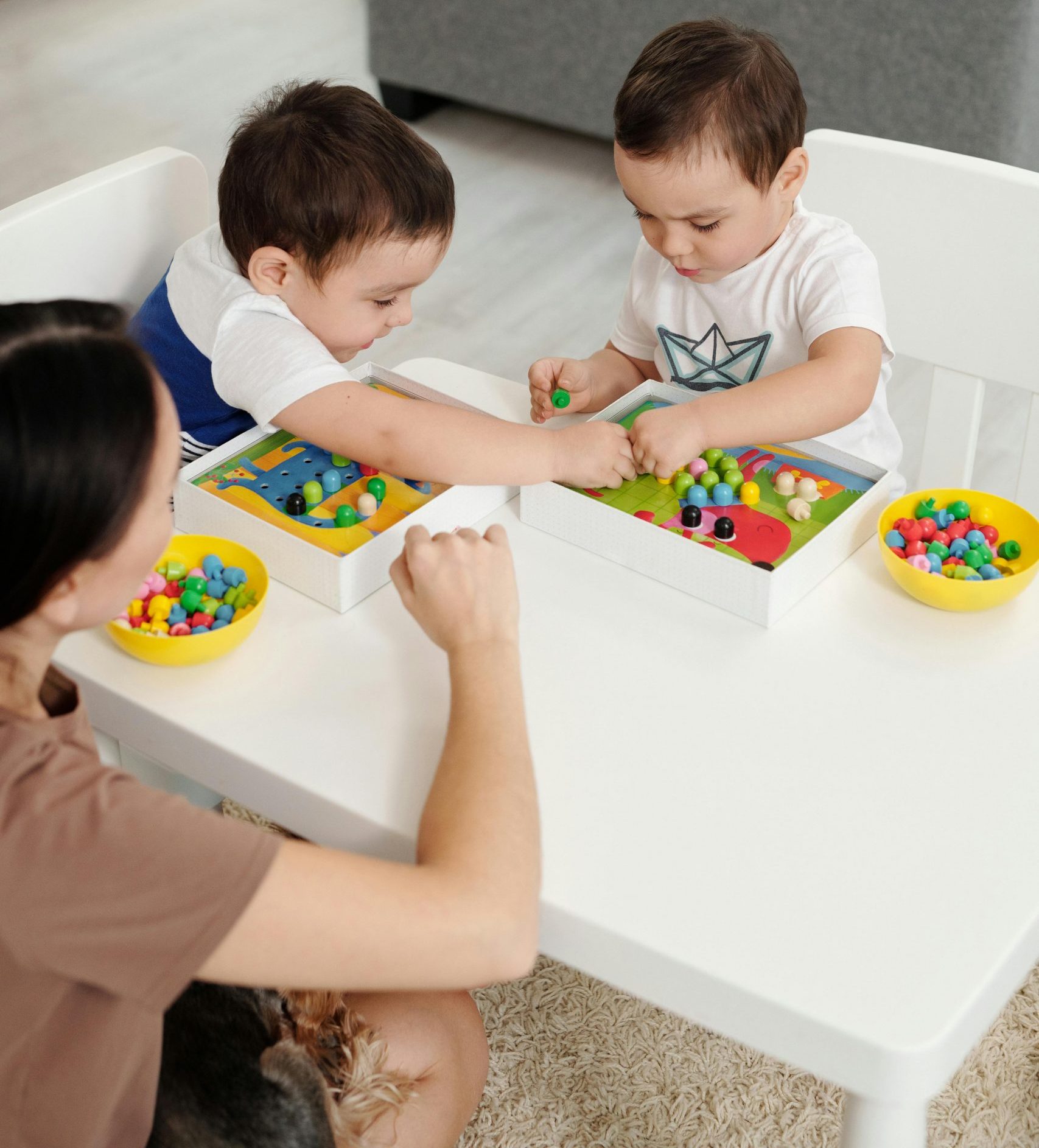
When nurseries are on holiday, routines shift and families face new challenges. For parents of toddlers, keeping little ones engaged, reassured, and learning at home can feel overwhelming. Yet these moments also offer valuable opportunities for bonding, creativity, and meaningful early development.
With the right toddler activities at home and simple indoor activities, parents can create a safe, stimulating environment that supports emotional security and continued learning.
Why Toddler Learning at Home Matters During Nursery Holidays
Toddlers thrive on routine, structure, and familiar environments. When nursery holidays disrupt daily life, maintaining purposeful play at home becomes essential for:
- Emotional reassurance and stability
- Continued early learning and development
- Physical activity and motor skill growth
- Language and social skill development
Structured indoor activities for toddlers support the principles of the Early Years Foundation Stage (EYFS), helping children progress across communication, physical development, personal and social growth, and problem-solving skills — even outside the classroom.
By turning everyday moments into learning opportunities, parents can ensure their child continues to thrive at home.
7 Toddler Activities at Home to Support Learning
- Playdough for Creativity and Fine Motor Skills
Playdough is simple yet powerful. Rolling, shaping, and squishing strengthens little hands while encouraging creativity and colour recognition. Homemade edible playdough offers added peace of mind.
- Indoor Treasure Hunt for Problem-Solving
Hide favourite toys or everyday objects around the room. This builds memory, focus, and early reasoning skills — all while burning off extra energy.
- Storytime and Role Play for Language Development
Create a cosy reading corner. Acting out stories or using puppets enhances vocabulary, listening skills, and imagination.
- Sensory Play for Calm and Focus
Sensory bins filled with rice, pasta, water, or fabric scraps help toddlers explore textures and regulate emotions.
- Music and Movement for Emotional Expression
Dancing, clapping games, and singing release energy and lift the mood. Music supports rhythm, coordination, and emotional expression.
- Simple Indoor Obstacle Course for Physical Development
Use cushions and safe furniture to create movement challenges. Gross motor activities help toddlers stay active even when outdoor play isn’t possible.
- Art and Craft for Confidence and Self-Expression
Painting, stamping, and drawing encourage creativity. The focus should be on the process rather than the final result, building confidence and independence.
Supporting Your Child’s Emotional Wellbeing at Home
During nursery holidays, children may feel confused by changes in their routine. Parents can help by:
- Keeping a predictable daily schedule
- Offering reassurance through conversation and cuddles
- Encouraging open expression of feelings
- Maintaining regular sleep and mealtimes
Simple routines create a sense of security that helps toddlers feel safe and supported.
How Emirates British Nursery Supports Families Beyond the Classroom
At Emirates British Nursery, we believe learning continues wherever a child feels safe and supported. Our approach, rooted in the EYFS framework, focuses on holistic development — nurturing language, confidence, physical coordination, and creativity.
Even during nursery holidays, we remain committed to guiding parents with practical advice, structured activity ideas, and reassurance to support children’s learning and development.
Final Thoughts
Nursery holidays can feel challenging for families, but they also provide meaningful opportunities for connection and growth. With engaging toddler activities at home and a consistent routine, parents can create a nurturing environment that supports development, emotional wellbeing, and joyful learning.
FAQs
What toddler activities at home can support my child’s learning during nursery holidays?
Simple activities such as playdough, storytelling, sensory play, treasure hunts, music and movement, and creative crafts can support your toddler’s development at home. Keeping a gentle routine and encouraging curiosity through play helps children continue learning even during nursery holidays.
What are the best indoor activities for toddlers at home?
Playdough, treasure hunts, music and movement, sensory bins, art activities, and role play are all highly effective.
How do I keep my toddler emotionally secure during routine changes?
Create consistent daily schedules, communicate clearly, and provide comfort and reassurance.
Do home activities still support EYFS development?
Yes. Many simple home-based activities align with EYFS learning areas, including communication, physical development, and personal, social, and emotional growth.


