
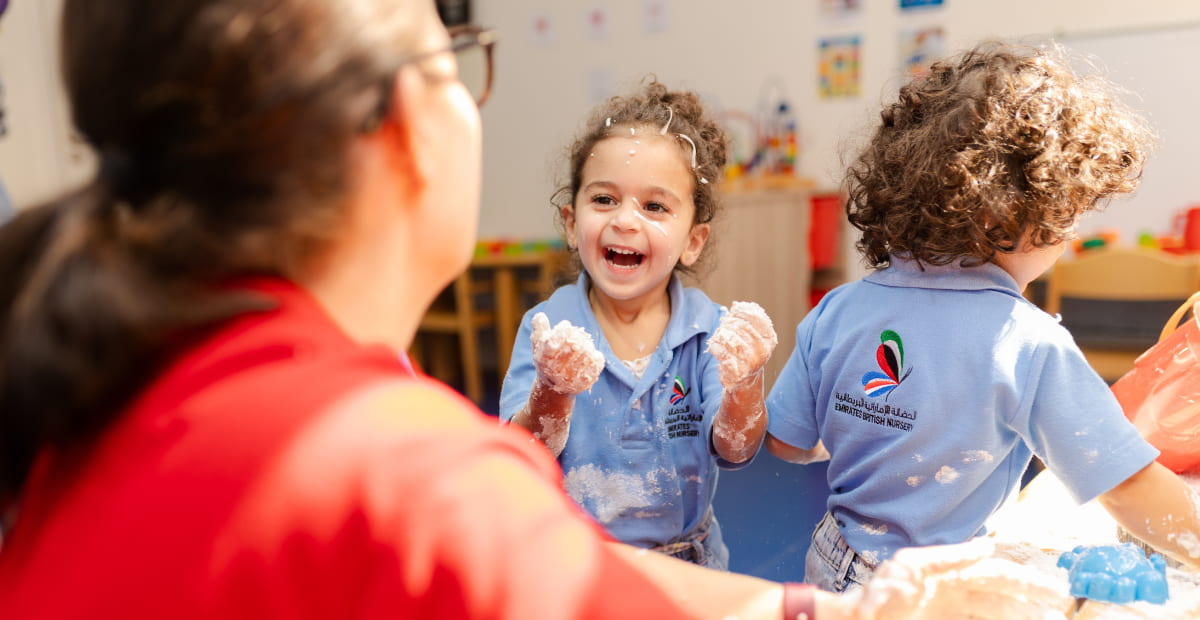
Have you ever watched a child run their hands through a tray of sand, feeling the grains slip between their fingers? Their eyes light up with curiosity, their mind absorbs new sensations, and they unknowingly build important cognitive and motor skills. This is the magic of sensory activities—simple yet powerful experiences that shape early childhood development.
Sensory play goes beyond mere entertainment. It strengthens connections in the brain, helping children process information, develop problem-solving skills, and regulate emotions. From squishing soft playdough to listening to soothing music, sensory experiences are key to preparing preschoolers for lifelong learning. Nurseries and Early Education Centres, including Emirates British Nursery (EBN) in Dubai, integrate structured sensory play into daily routines to provide children with the best possible start.
But what exactly are sensory activities, and why do they matter so much? Let’s explore.
What Are Sensory Activities?
Sensory activities engage one or more of a child’s five senses—touch, sight, sound, taste, and smell. These activities stimulate brain development, refine motor skills, and encourage exploration in a safe, controlled environment.
For example, when a child plays with textured fabric or listens to a rhythmic song, their brain makes new connections. This process helps them better understand their surroundings, improve coordination, and strengthen communication skills. Sensory play is not just about fun—it is a crucial foundation for learning.
The Benefits of Sensory Activities for Preschool Children
Cognitive Development
Children absorb information best through hands-on experiences. Sensory activities enhance problem-solving skills, improve memory, and promote logical thinking. For instance, exploring different textures helps children understand contrast and categorisation, skills essential for academic learning.
Fine and Gross Motor Skills
Simple activities like squeezing a sponge, stacking blocks, or threading beads develop fine and gross motor skills. These movements strengthen muscles in the hands, fingers, and core, preparing children for tasks like writing, buttoning clothes, and running with balance.
Emotional Regulation
Preschoolers often struggle with big emotions. Calming sensory activities—such as playing with lavender-scented playdough or listening to soft music—help children manage anxiety and frustration. The repetitive, soothing nature of these activities promotes relaxation and emotional stability.
Social Skills
Group sensory play encourages cooperation, patience, and communication. Whether pouring water together at a sensory table or engaging in a shared painting activity, children learn essential social interactions that foster friendships and teamwork.
Language Development
Children expand their vocabulary by engaging with different textures, sounds, and objects.. Describing how slime feels or mimicking animal sounds during sensory storytime enhances speech and comprehension skills.
Sensory Activities for Toddlers and Babies
For sensory activities for babies or infants (0-1 years of age), sensory experiences should be gentle and safe. Some effective activities include:
- Soft fabric exploration – Let babies touchfabrics like silk, wool, or cotton.
- Water play – Small splashes encourage hand-eye coordination and sensory awareness.
- Edible sensory bins – Safe-to-eat items like mashed banana or cooked pasta provide texture exploration without safety concerns.
Sensory activities for toddlers (1-3 years of age) should be simple yet engaging, allowing them to explore safely. Here are a few ideas:
- Finger painting – Encourages creativity while strengthening hand muscles.
- Sand and water play – Teaches concepts like volume, texture, and cause-and-effect.
- Texture boards – Helps toddlers differentiate between smooth, rough, soft, and bumpy surfaces.
These activities help toddlers become more aware of their environment while having fun.
Sensory Activities for Babies and Toddlers in Nursery
At a nursery, sensory activities are carefully structured to maximise learning. Sensory activities for babies in nursery environments often include:
- Playing with sensory bags – These sealed bags filled with gel, beads, or pom-poms provide safe tactile exploration.
- Listening to calming music – Soothing sounds help develop auditory processing and emotional regulation.
- Light and shadow play – Simple interactions with light sources teach cause and effect.
For older toddlers, nurseries introduce activities that require more interaction, like messy play with foam or digging in kinetic sand. Sensory activities for infants in daycare settings focus on sensory-safe materials to ensure a stimulating yet secure environment.
Calming Sensory Activities
Not all sensory activities are high-energy; some are designed to relax and comfort children. Calming sensory activities can help preschoolers regulate emotions and improve focus. A few effective methods include:
- Lavender-scented playdough – The soothing aroma promotes relaxation.
- Weighted blankets – Provide gentle pressure that helps children feel secure.
- Bubble blowing – Encourages controlled breathing, reducing stress and frustration.
These activities are beneficial for children who experience sensory overload or have difficulty calming down after an exciting play session.
Sensory Toys and Their Role in Development
Sensory toys are specially designed to engage different senses and aid development. They help improve focus, coordination, and self-regulation. Some popular options include:
- Fidget spinners and stress balls – Improve fine motor skills and help with concentration.
- Textured balls – Enhance tactile exploration and grip strength.
- Chewable teething rings – Provide oral stimulation for babies, aiding in teething discomfort and sensory processing.
Children benefit from both stimulation and comfort by incorporating sensory toys into playtime.
Why Choose Emirates British Nursery?
At Emirates British Nursery (EBN), sensory play is an essential part of early childhood education. The nursery is dedicated to fostering holistic development through structured sensory activities.
- Expert-led learning – Trained and certified educators create engaging sensory experiences tailored to each child’s developmental stage.
- Well-equipped sensory play areas – Specially designed environments allow children to explore safely.
- A nurturing atmosphere – EBN prioritises emotional well-being, ensuring children feel secure while learning.
For parents seeking a high-quality nursery in Dubai that values sensory development, EBN provides an exceptional foundation for early learning.
Conclusion
Sensory activities are more than just fun—they are vital for cognitive growth, emotional stability, and physical coordination. Whether through simple at-home activities or structured nursery programs, incorporating sensory play into a child’s routine enhances their learning and development.
If you’re looking for a nursery that prioritises hands-on learning and holistic child development, Emirates British Nursery offers a nurturing space where children can thrive through sensory-rich experiences.
This blog was written by a third party


